'Tech Highlight': Patient in a Dish – Avatar Organoids and the Future of Paediatric Brain Cancer
.png)
Paediatric brain cancers remain among the most challenging diseases in oncology, not only due to their complexity, but because each tumour behaves as a highly individual system. Recent work highlighted by MedicalXpress and Scienmag, alongside a detailed protocol in Nature Protocols, points to a powerful shift: the rise of patient-specific avatar organoids as functional models of disease.
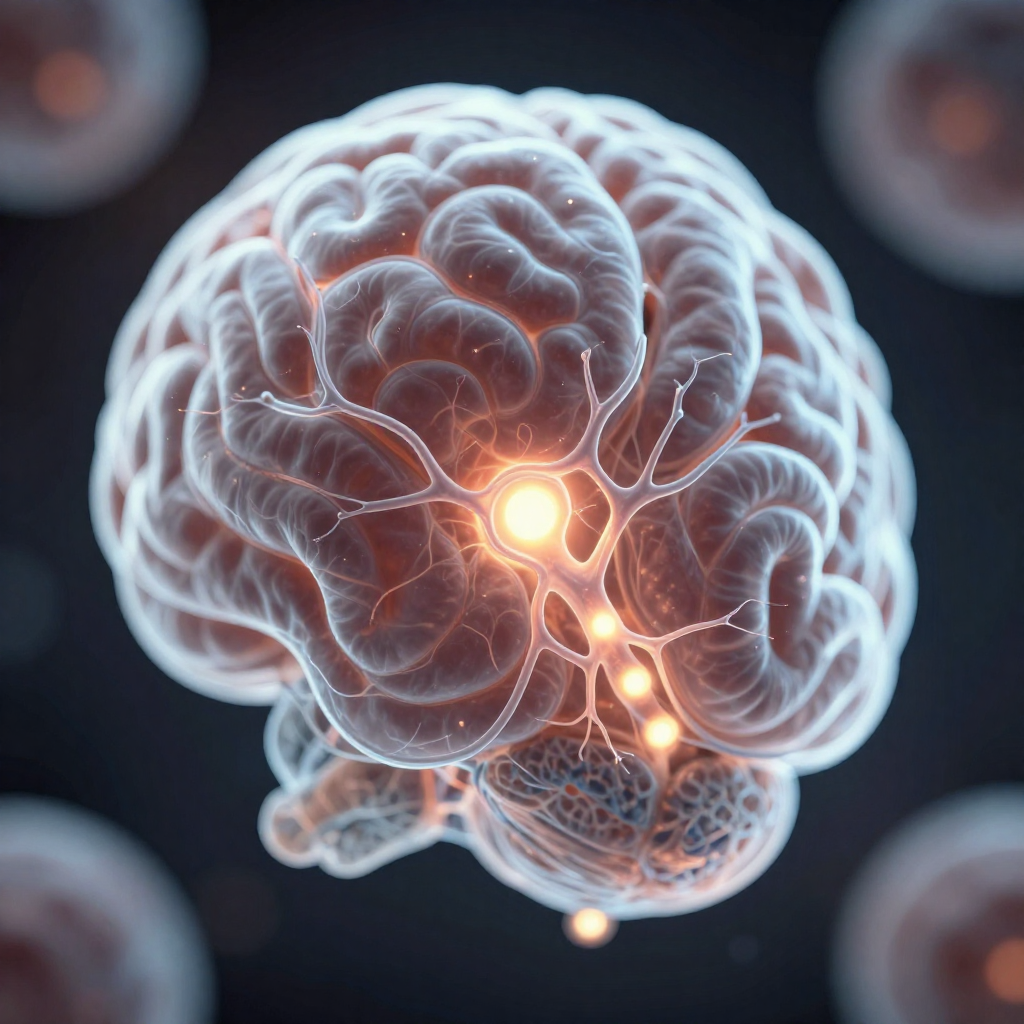
At the centre of this approach is a deceptively simple idea. Take tumour cells directly from a patient, grow them into three-dimensional organoid systems, and use these living models to recapitulate both the biology and treatment response of the original cancer. In practice, however, the advance is profound. These organoids preserve key features of paediatric brain tumours, including cellular heterogeneity, spatial organisation, and molecular signatures, enabling a far more faithful representation than traditional cell lines.
What distinguishes this work is not just the creation of organoids, but their deployment as functional avatars. Rather than relying solely on genomic profiling to guide treatment decisions, researchers can now test drugs directly on patient-derived tissue in vitro, observing real-time responses to therapeutic interventions, creating a bridge between molecular insight and clinical action. One that is particularly valuable in paediatric oncology, where treatment options are limited and time is critical.
The protocol described in Nature Protocols provides an important foundation for this shift, detailing reproducible methods for generating, maintaining, and analysing brain tumour organoids. Standardisation at this level is essential. Without it, the promise of avatar systems risks fragmentation across laboratories. With it, these models become scalable, comparable, and increasingly translatable, moving closer to integration within clinical workflows.
Biologically, the findings reinforce a key theme: tumour behaviour is context dependent. Organoids reveal how cancer cells interact with their microenvironment, respond to stress, and adapt under therapeutic pressure. In doing so, they expose vulnerabilities that may not be evident from static molecular data alone. Importantly, they also capture treatment resistance mechanisms, offering a way to anticipate and potentially circumvent therapeutic failure before it occurs in patients.
The implications extend beyond individual care. At a population level, avatar organoids could enable parallel drug screening across cohorts, identifying patterns of response and informing stratified treatment strategies. They also provide a platform for testing novel compounds in a human-relevant context, accelerating the path from discovery to clinical application.
Challenges remain, including the time required to generate organoids, integration with clinical decision timelines, and the need for robust validation against patient outcomes. Yet the trajectory is clear. These systems are transforming organoids from descriptive models into predictive, patient-aligned tools.
In effect, avatar organoids redefine what it means to model disease. They are not just representations of cancer, but extensions of the patient, enabling a new form of experimental medicine where treatment can be explored, tested, and refined before it is delivered.
Source Links: MedicalXpress and Scienmag blogs and Nature Protocols article
The Tech Highlight is a weekly feature, intended as a short, focused piece of content that showcases a specific technology, innovation, or emerging trend. If you have any cool stuff that you think would be interesting to this community please share!
To make sure you don’t miss it, please log into your account and update your notification preferences. Please share it, give feedback, and join the discussion - I hope you enjoy it!


Chief Editor
A career deeply rooted in drug discovery and a focus on digital transformation and innovation in drug discovery.