NEW: Mapping the impact of prolonged microplastics exposure on enteric viral infections using human intestinal organoids
Chronic MNPs exposure induces mitochondrial stress, oxidative imbalance, metabolic disruption in intestinal organoids. Microplastics can act as viral vectors, sustained MNPs exposure reduces infectivity and reprograms antiviral responses. Long-term MNPs exposure attenuates the effect of antivirals
Like
Be the first to like this
Preview
Abstract
Micro- and nanoplastic particles (MNPs) are pervasive environmental pollutants increasingly detected in the human body, yet the health consequences of chronic exposure remain poorly defined. Human intestinal organoids (HIO) have emerged as superior platforms for modelling intestinal diseases including enteric viral infections. In this study, we established a chronic MNPs exposure model using HIO. Long-term MNPs exposure elicited transcriptomic signatures of mitochondrial stress and broad metabolic disruption without inducing overt epithelial cell death. Using this system, we modeled enteric viral infection with echovirus and rotavirus, and demonstrated that prolonged MNPs exposure reprogrammed epithelial antiviral responses, altered viral infection capability, and diminished the efficacy of antiviral treatment. Together, these findings suggest that chronic microplastic exposure can reshape mucosal physiology, modulate virus-host interactions, and impair therapeutic responsiveness, highlighting an under recognized dimension of MNPs impact on infectious disease outcomes.
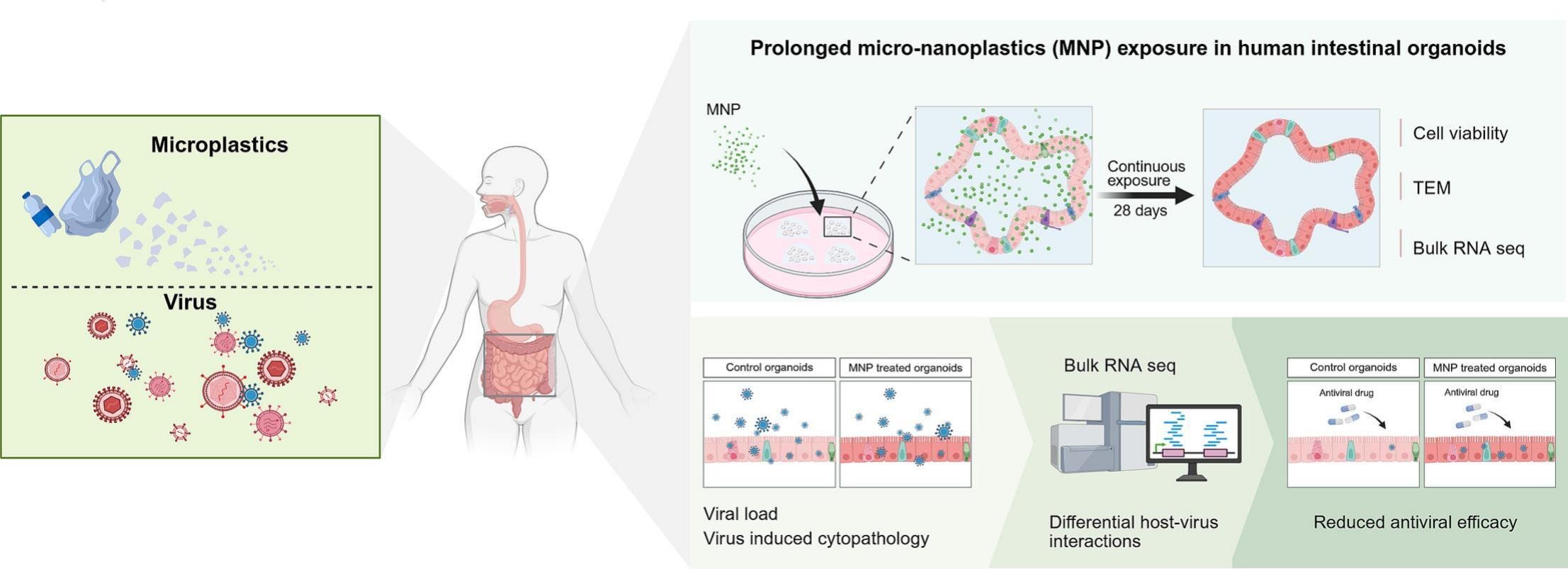
Jiangrong Zhou, Yilan Zhao, Xincheng Li, Guige Xu, Marcel J.C. Bijvelds, Luc J.W. van der Laan, Annemarie C. de Vries, Qiuwei Pan, Pengfei Li,Environment International, https://doi.org/10.1016/j.envint.2026.110213 .
WORC Update
(He/Him)
Head of community, WORC.Community (A Caterpillar Hill Limited venture).
Thank you for joining us here at WORC! This platform has the sole purpose of bringing Organoid and Organ-on-a-chip researchers together! Easily connect, share content, ideas and experiences in this transformative area of science. The idea for this community came after speaking with many of you expressing the need for joined up thinking and making long lasting connections.


Please sign in or register for FREE
If you are a registered user on WORC.Community, please sign in