WORD+ 2026! Introduction of Dr. Lena Smirnova
Lena Smirnova, PhD, is an Assistant Professor in the Department of Environmental Health & Engineering at the Johns Hopkins Bloomberg School of Public Health and a leading scientist within the Centre for Alternatives to Animal Testing (CAAT). Her research focuses on developing innovative, human-relevant New Approach Methods (NAMs) to study developmental neurotoxicity (DNT), neurodevelopment, and mechanisms underlying environmentally induced brain dysfunction. Trained in molecular biology with a PhD from the Freie Universität Berlin, Dr Smirnova specialises in human iPSC-derived neural models, brain organoids, microphysiological systems, and transcriptomic/microRNA profiling to capture key biological processes that shape human brain development.
Her recent publications illustrate the breadth of her contributions across human-relevant modelling, neuroinflammation, neurophysiology, and the implementation of NAMs:
- A glia-enriched stem cell 3D model of the human brain mimics the glial-immune neurodegenerative phenotypes of multiple sclerosis (https://doi.org/10.1016/j.xcrm.2024.101680): In this Cell Reports Medicine study, Dr Smirnova and colleagues developed a sophisticated 3D human brain organoid model enriched with glial populations, including astrocytes, oligodendrocytes, and iPSC-derived microglia. Using a SOX10-based differentiation protocol, the team generated a highly immunocompetent CNS-like environment. When exposed to inflammatory cerebrospinal fluid from multiple sclerosis (MS) patients, the organoids recapitulated hallmark features of glial-immune-driven neurodegeneration, including oligodendrocyte damage and altered intercellular signalling. This model provides a powerful human-specific platform for studying neuroinflammatory mechanisms and for evaluating therapeutic candidates in MS and other neurodegenerative conditions.
- State of the Science on Assessing Developmental Neurotoxicity Using New Approach Methods (https://doi.org/10.14573/altex.2410231): This publication synthesises discussions from a high-level workshop co-organised by JIFSAN and the U.S. FDA’s Centre for Food Safety and Applied Nutrition. Dr Smirnova contributed to the scientific development and interpretation of the meeting’s outcomes, which brought together experts from government, academia, international regulatory bodies, and industry. The report highlights the vulnerability of the developing human brain to chemical exposures and evaluates how NAMs, including in vitro human stem-cell models, in chemico tools, non-mammalian systems, computational approaches, and emerging mammalian alternatives, can improve DNT testing. The workshop also addressed major challenges, from expectations around biological fidelity to regulatory acceptance pathways. This publication positions NAMs as essential for advancing human-relevant, ethical, and scalable assessment of chemicals that may impair brain development.
- Human neural organoid microphysiological systems show the building blocks necessary for basic learning and memory (https://doi.org/10.1038/s42003-025-08632-5): In this cutting-edge study, Dr Smirnova and collaborators demonstrated that human neural organoid microphysiological systems display fundamental components of learning and memory. The organoids formed functional neural networks, expressed GABAergic and glutamatergic receptors, activated immediate-early genes, and exhibited both spontaneous and evoked electrical activity. Notably, the team showed input-specific synaptic plasticity, including both short- and long-term potentiation and depression following theta-burst stimulation. Plasticity-related microRNA dynamics were also observed throughout development. This work provides evidence that human organoids can model key neurophysiological principles, opening new avenues for studying cognition, neurodevelopment, neurotoxicity, and next-generation organoid intelligence frameworks.
Through these contributions, Dr Smirnova is reshaping the field of developmental neurotoxicity and human neurobiology, driving the adoption of predictive, mechanistic, and ethical models that better reflect the human brain.
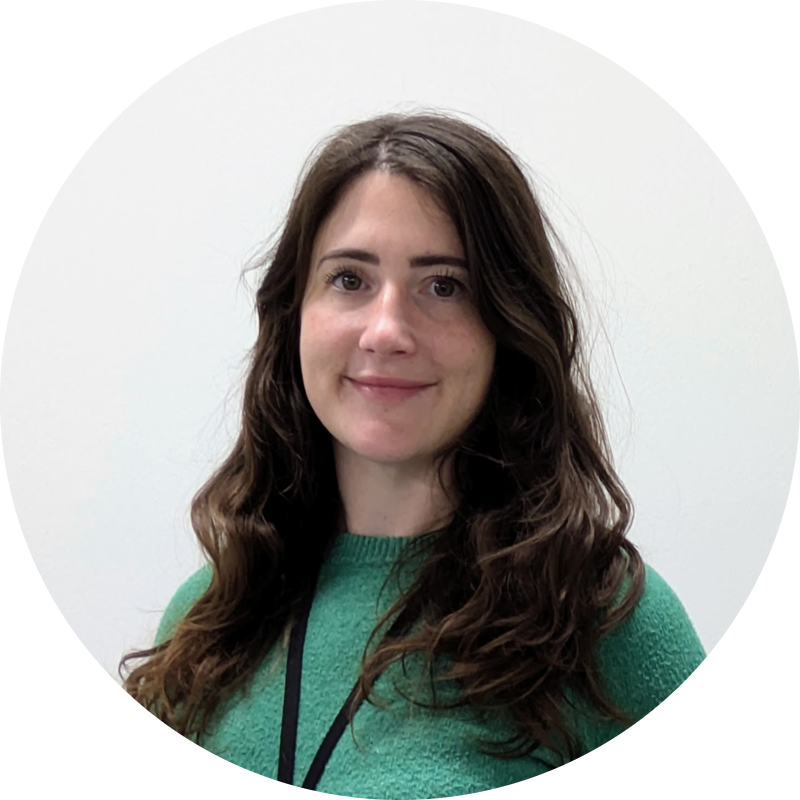
Scientist specialized in 3D biology with hands-on experience in high-throughput screening using physiologically relevant models. During my PhD, I focused on developing and optimizing 3D cell culture assays (such as spheroids, organoids, and 3D colony formation assays) for use in high-throughput settings, gaining strong expertise in assay design and imaging. In my industry role, I contributed to the automation of complex 3D biology workflows, supporting decision-making through advanced imaging and AI-based image analysis. I’ve worked extensively with iPSCs, adult stem cells, and various 3D assay formats, driving innovation at the interface of cell biology, automation, and data science.